Skip To Section
Are you in a romantic relationship with an addict? Are you struggling to understand and cope with their addiction? It can be a difficult and painful experience, but know that you are not alone. There are resources and support available for those in relationships with addicts.
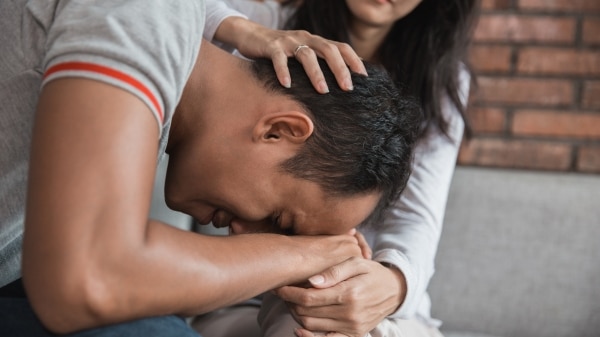
How to Manage a Relationship With an Addict?
Many people in romantic relationships with an addict often struggle with feelings of guilt, shame, and helplessness. They may feel responsible for their partner’s addiction or believe that they can somehow control or fix it. However, the reality is that addiction is a complex disease and no one person can cause it or cure it.
If you are in a relationship with someone who is struggling with addiction, it is important to remember that their actions and choices are not your fault. Addiction is a medical condition that requires professional treatment and support, just like any other illness.
Here are some helpful tips to help guide you on your journey towards understanding, healing, and recovery:
- Join a support group
- Attend therapy or counseling
- Educate yourself
- Take care of yourself
- Encourage treatment
- Set reasonable expectations
- Seek professional help
Hopefully, by following these tips, you can help both yourself and your loved one recover from the effects of addiction. Remember, the journey to recovery is not easy, but it is worth it in the end.
If you or someone you know is struggling with addiction, know that there is help and support available. Don’t be afraid to reach out and ask for assistance.
Join a Support Group With Others In A Relationship With an Addict
Joining a support group can provide you with a network of people who understand what you’re going through and can offer valuable advice and support. Look for local groups in your area or consider online options such as:
- Al-Anon: This is a support group specifically for friends and family members of alcoholics or drug addicts. You can attend meetings, find resources, and connect with others who understand what you’re going through.
- Nar-Anon: Similar to Al-Anon, this support group is specifically for friends and family members of individuals struggling with addiction to narcotics.
Process Your Relationship With an Addict In Therapy
Seeing a therapist or counselor who has experience in addiction and relationships can be incredibly beneficial. They can help you process your emotions, set boundaries, and find ways to take care of yourself while your loved one battles their addiction.
Educate Yourself On How To Navigate A Relationship With an Addict
Educating yourself on the nature of addiction can help you understand what your loved one is going through and how to support them best.
- Check out reputable websites such as the National Institute on Drug Abuse (NIDA) or Substance Abuse and Mental Health Services Administration (SAMHSA) for reliable information.
- Reading self-help books can provide helpful insights into the science behind addiction and mental health. Similarly, there are many helpful books available on coping with a loved one’s addiction. Some popular titles include “Codependent No More” by Melody Beattie and “Addict in the Family” by Beverly Conyers.
Seeing a therapist or counselor who has experience in addiction and relationships can be incredibly beneficial. They can help you process your emotions, set boundaries, and find ways to take care of yourself while your loved one battles their addiction.
Take Care of Yourself
As a partner or loved one of someone in addiction, it’s crucial to prioritize your well-being and not lose yourself in trying to save or fix them. Ways to take care of yourself while supporting a loved one through addiction can include setting boundaries, practicing self-care activities, and seeking therapy for yourself if needed.
Encourage Seeking Treatment
While ultimately it is up to the individual to seek treatment for addiction, you can encourage and support them in their journey towards recovery. You can offer resources or assistance in finding treatment options, but please remember to respect their decisions and boundaries.
Set Reasonable Expectations
While you can desperately want to help your loved one, it’s important to maintain a level of objectivity. You may be able to offer love, encouragement, and resources but ultimately, their recovery is up to them. By setting reasonable expectations and boundaries, you can support your loved one without enabling their addictive behaviors.
Seek Professional Help To Heal Your Relationship With an Addict
If the situation becomes overwhelming or you feel like you are unable to provide the necessary support, don’t hesitate to seek professional help for yourself and your loved one. An addiction treatment professional can offer guidance and support for both of you during this difficult time. They can provide more information about drugs and alcohol treatment centers, programs, and other recovery options.

Getting Help For A Loved One's Addiction
Remember, supporting a loved one through addiction is not easy and it is important to take care of yourself while offering support. Keep an open mind, practice empathy, and remember that recovery is possible with the right support and resources.
Footprints to Recovery offers resources and guidance for both individuals struggling with addiction and their loved ones. We encourage you to take advantage of these tools and continue to educate yourself on addiction, its effects, and how you can best support your loved one in their journey toward recovery. If you would like to learn more about treatment with us, please reach out today.
- Addiction and Mental Health Resources for Native Americans
- Addiction and Mental Health Resources for College Students
- Addiction and Mental Health Resources for Veterans and First Responders
- How to Help Your Child who Is Struggling with Addiction
- Resources for Victims of Sexual Assault
- Resources for Substance Abuse in the Elderly
- Resources for Victims of Domestic Violence
- Resources for the LGBTW+ Community
- Resources for Mental Health
Our admissions team is available 24/7 to listen to your story and help you get started with the next steps.